Beyond Traditional Workouts: Specialty Fitness Classes to Try in Glendale AZ, From Aqua Fit to Pole Fitness
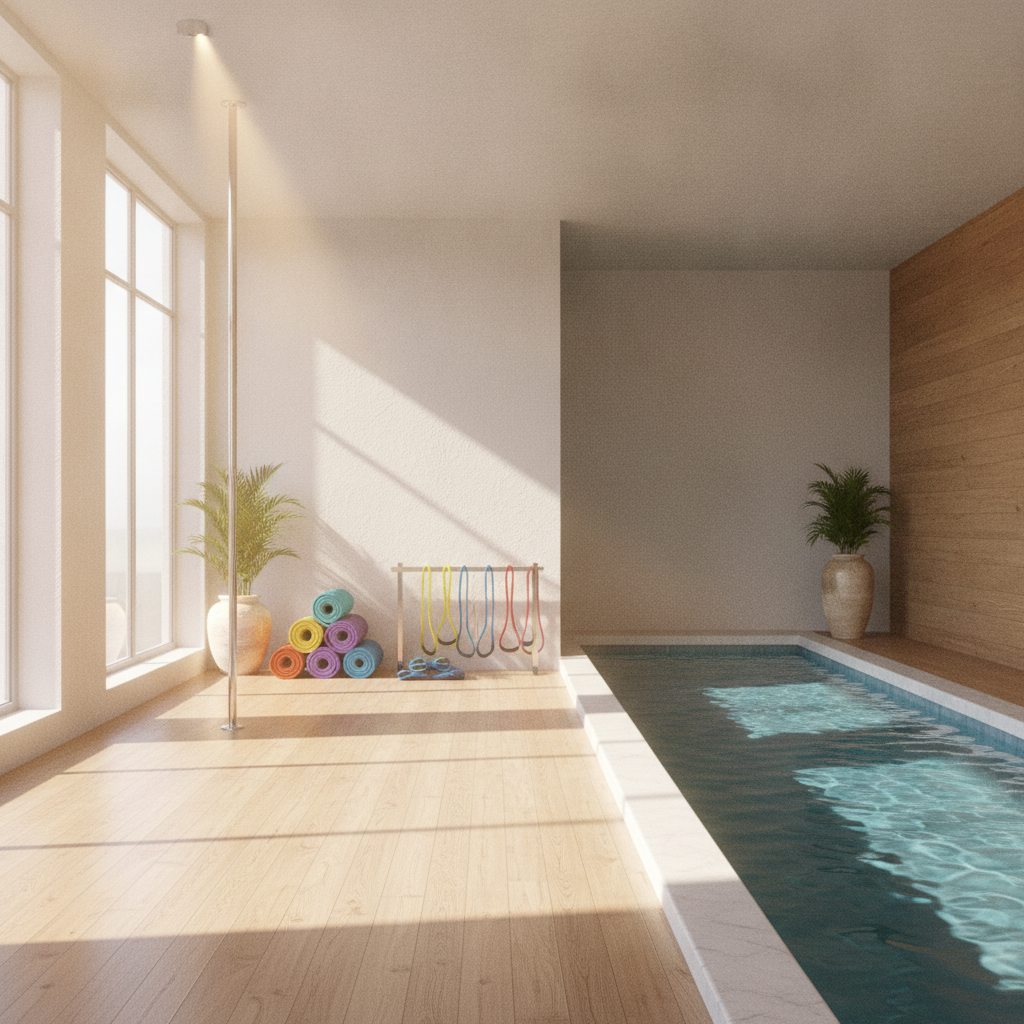
Most of us start our fitness journey the same way: a treadmill, a set of dumbbells, and a vague hope that motivation will carry us through. Then life happens, the routine gets stale, and the path forward feels unclear. If that sounds familiar, you are not alone, and you are not stuck. One of the most effective ways to renew your commitment to sustainable health is to step sideways into something new. The fitness classes Glendale AZ offers today stretch far beyond spin and boot camp, reaching into water-based training, aerial work, dance-inspired conditioning, and mind-body disciplines that challenge your body in fresh ways.
At Rovia 120, we believe transformation happens through intentional, measurable progress, and variety is one of the most underrated tools for getting there. Specialty classes build different muscles, protect your joints, rekindle curiosity, and connect you with a community of people who share your drive. In this guide, we walk through the formats worth exploring, what each one asks of your body, how to choose wisely, and how to fold something unconventional into a plan built for longevity. Whether you are a beginner or a seasoned athlete, there is likely a class here waiting to surprise you.
Why Specialty Classes Deserve a Place in Your Routine
Traditional workouts are valuable, but repetition without variation can lead to plateaus, overuse injuries, and a quiet loss of enthusiasm. Specialty classes interrupt that cycle. They ask your nervous system to learn new movement patterns, which strengthens coordination, balance, and body awareness in ways a standard routine rarely does. Science-backed training principles consistently point toward variety as a driver of well-rounded fitness, because different stressors build different qualities: strength, endurance, mobility, and power.
There is also a psychological benefit. When a workout feels like play rather than obligation, we show up more consistently, and consistency is the real engine of change. Exploring group workout studios Glendale offers is a smart first step, since a studio environment pairs expert coaching with built-in accountability. You gain a coach who corrects your form, a schedule that anchors your week, and peers who notice when you are missing. For anyone seeking a long-term path rather than a sprint, that structure matters enormously.
Aqua Fit: Strength and Cardio Without the Impact
Water is a remarkable training partner. Its natural resistance works every muscle group in all directions, while buoyancy reduces stress on the knees, hips, and spine. That combination makes aqua fit a favorite among people managing joint discomfort, recovering from injury, or simply wanting a lower-impact way to build endurance. In the Arizona heat, it also happens to be one of the most refreshing ways to train.
A typical session blends water jogging, resistance movements with foam equipment, core work, and interval bursts that lift your heart rate without pounding your joints. Many participants are surprised by how demanding it feels. You are pushing against resistance with every step, which builds muscular endurance and supports cardiovascular health at the same time.
If you are exploring Gym Classes in Glendale, AZ, ask whether a facility offers water-based programming or can point you toward a partner pool nearby. Aqua fit pairs beautifully with land-based strength sessions, giving your body an active recovery option that still counts as meaningful training. For longevity-minded movers, it is a format worth keeping in the rotation.
Pole Fitness: Strength, Control, and Confidence
Pole fitness has shed old stereotypes and earned its place as a serious strength discipline. Climbing, holding, and inverting require tremendous upper body, grip, and core strength, along with flexibility and body control. Beginners often start with basic spins and walks around the pole, then gradually progress to climbs, holds, and more complex shapes as strength develops.
What makes this format special is the way it builds confidence alongside capability. Every new skill is a measurable milestone, whether that is your first full climb or a hold you could not manage last month. Classes tend to be supportive and celebratory, which creates a genuine sense of community among participants of all body types and backgrounds.
If you are curious, come with a few practical expectations. Wear fitted clothing that allows skin contact for grip, skip heavy lotions beforehand, and expect to feel muscles in your forearms and shoulders you did not know you had. Because this style of training builds relative strength, meaning strength in proportion to your own body weight, it complements conventional lifting wonderfully and supports healthy movement for years to come.
Dance-Inspired Cardio That Feels Like a Celebration
Not every worthwhile workout needs to feel like work. Dance-inspired formats such as Zumba, hip-hop conditioning, and Latin-influenced cardio sessions turn calorie burn into a social event. The music sets the pace, the choreography keeps your mind engaged, and before you know it, an hour has passed.
These classes are especially useful for people who dread conventional cardio. Instead of watching a clock on a machine, you are learning sequences, moving through multiple planes of motion, and laughing at your own missteps along the way. You do not need dance experience, and most instructors build in modifications so everyone can move at their own intensity.
For a deeper look at how these sessions are structured, our guide on What to Expect From High-Energy Glendale AZ Group Fitness Formats Like Zumba and Step breaks down the pacing and the vibe. Treat dance cardio as the joyful anchor of your week, a class that keeps your heart healthy while reminding you that fitness can be genuinely fun.
Aerial and Suspension Training for Total-Body Control
Aerial yoga, silks conditioning, and suspension-based classes lift your training off the ground, literally. Working with fabric hammocks or suspended straps lets you decompress the spine, deepen stretches, and challenge stability in ways floor exercises cannot replicate. Gravity becomes both resistance and support.
Aerial yoga is often the gentler entry point, blending traditional poses with the support of a hammock. It is excellent for mobility, relaxation, and gentle inversion practice. Silks and more athletic aerial conditioning classes demand greater strength and grip, and they reward patience with remarkable gains in core stability and shoulder health.
The shared benefit across these formats is proprioception, your body’s sense of where it is in space. Improving that sense supports better posture, steadier balance, and fewer everyday injuries. If you tend to feel tight from desk work or long commutes, aerial classes offer an engaging way to restore range of motion while still building real strength underneath.
Mind-Body Disciplines Worth Exploring
Recovery is part of training, not a pause from it. Mind-body classes such as barre, Pilates, tai chi, and restorative yoga support the nervous system, refine movement quality, and help you absorb the work you do in harder sessions. They also build the kind of deep, stabilizing strength that protects you as you age.
Barre blends ballet-inspired positions with small, controlled pulses that fatigue muscles in a uniquely thorough way. Pilates emphasizes core integration and precise alignment. Tai chi offers slow, flowing sequences that improve balance and calm the mind, which is a gift for anyone managing stress.
Many people assume these classes are too gentle to matter, then discover how challenging controlled movement can be. We encourage pairing one mind-body session with every two or three high-intensity workouts each week. That rhythm supports recovery, reduces injury risk, and keeps your path toward long-term health steady rather than exhausting.
Comparing Specialty Formats at a Glance
Choosing among so many options is easier when you can see how they stack up. The table below summarizes what each format emphasizes, who tends to enjoy it, and what to expect from the effort level.
| Class Format | Primary Focus | Best For | Intensity |
|---|---|---|---|
| Aqua Fit | Low-impact strength and cardio | Joint-sensitive movers, recovery days | Low to moderate |
| Pole Fitness | Grip, core, and relative strength | Those seeking skill-based challenges | Moderate to high |
| Dance Cardio | Endurance and coordination | People who dislike traditional cardio | Moderate to high |
| Aerial Training | Mobility, stability, decompression | Desk workers, flexibility seekers | Low to high |
| Barre and Pilates | Core control and posture | Anyone building foundational strength | Low to moderate |
How to Choose a Class That Matches Your Goals
Start by naming what you actually want. Is it stronger shoulders, a lighter load on your joints, better balance, or simply a reason to look forward to exercise? A clear goal makes every other decision easier, and it gives you something measurable to track as you progress.
Next, consider your current baseline honestly. If you are returning after a long break or managing an injury, begin with lower-intensity formats and build gradually. If you are already conditioned, a technical class like pole or aerial work can add a stimulating new challenge. Either way, speak with the instructor beforehand about your history and limitations.
Practical details matter too. Look at class size, since smaller groups usually mean more individual feedback. Check the schedule to ensure it fits your week, because a class you cannot attend consistently will not serve you. Finally, notice the atmosphere. A welcoming, encouraging environment is not a luxury, it is often the deciding factor between a habit that sticks and one that fades.
Building a Balanced Weekly Rhythm
Specialty classes work best when they sit inside a thoughtful plan rather than replacing everything else. A balanced week might include two strength-focused sessions, one cardio-driven class, one skill-based or specialty session, and one recovery-oriented practice. That mix develops multiple fitness qualities without overloading any single system.
Here is a simple template to adapt:
- Monday: Strength training to anchor the week
- Wednesday: A specialty class such as pole, aerial, or dance cardio
- Thursday: Strength or functional conditioning
- Saturday: Aqua fit or a mind-body class for active recovery
Leave at least one or two full rest days, and listen to your body. Soreness from a new movement pattern is normal, but sharp pain is a signal to stop and consult a professional. Intentional progress means giving your body the recovery it needs to adapt and grow stronger.
What to Bring and How to Prepare for Your First Class
Walking into something unfamiliar can feel intimidating, but a little preparation removes most of the nerves. Arrive ten to fifteen minutes early so you can introduce yourself to the instructor, mention any injuries, and get comfortable with the space. Most coaches welcome newcomers warmly and will offer modifications as needed.
Pack the basics: a water bottle, a small towel, and clothing suited to the format. Aqua fit calls for a comfortable swimsuit and possibly water shoes, while aerial and pole classes favor fitted layers that protect your skin without slipping. For dance and barre sessions, flexible, breathable clothes and grippy socks or sneakers are usually ideal.
Eat a light snack an hour or two beforehand, hydrate steadily through the day, and give yourself permission to be a beginner. Nobody expects perfection in a first session. What matters is that you showed up, tried something new, and took one more intentional step along your path toward sustainable health.
Finding Your Fit Beyond City Lines
Sometimes the right class is not in your immediate neighborhood, and that is perfectly fine. The greater West Valley is full of training options, and widening your search can reveal formats and coaches that match your needs more closely. If you live or work near neighboring communities, it helps to look at the whole picture, including drive times, parking, and how a facility fits into your daily routine.
For a practical look at that wider landscape, explore A Local Guide to Peoria AZ Fitness Centers Near Neighborhoods, Schools, and Daily Commutes. It shows how location and convenience can shape whether a program becomes a lasting habit.
Whatever you choose, take advantage of trial classes and introductory offers where available. A single session tells you more about a studio’s culture, coaching quality, and energy than any website ever could. Treat the search as a short experiment, gather what you learn, and commit to the option that makes you want to come back.
Your Next Steps
Fitness is not a single destination, it is a lifelong path, and the most durable paths include room for curiosity. Specialty classes, from the cooling resistance of aqua fit to the strength-building craft of pole and aerial work, give you new ways to challenge your body, protect your joints, and rediscover the joy of movement. They remind us that training does not have to be repetitive or exhausting to be effective.
As you plan your next move, keep a few principles in mind. Choose formats that align with your goals and your current capacity. Balance high-intensity work with recovery. Track something measurable, whether it is a climb, a hold, a distance, or simply how many weeks in a row you have shown up. And lean on community, because the people beside you often become the reason you keep going.
At Rovia 120, we are here to support your transformation with science-backed guidance and a welcoming community that celebrates every stage of progress. Pick one new class this month, show up with an open mind, and see where it leads. Strength, longevity, and confidence are built one intentional session at a time, and your next session could be the one that changes how you see your own potential.