Peoria AZ Gym Options for Adaptive Fitness and Inclusive Training Support
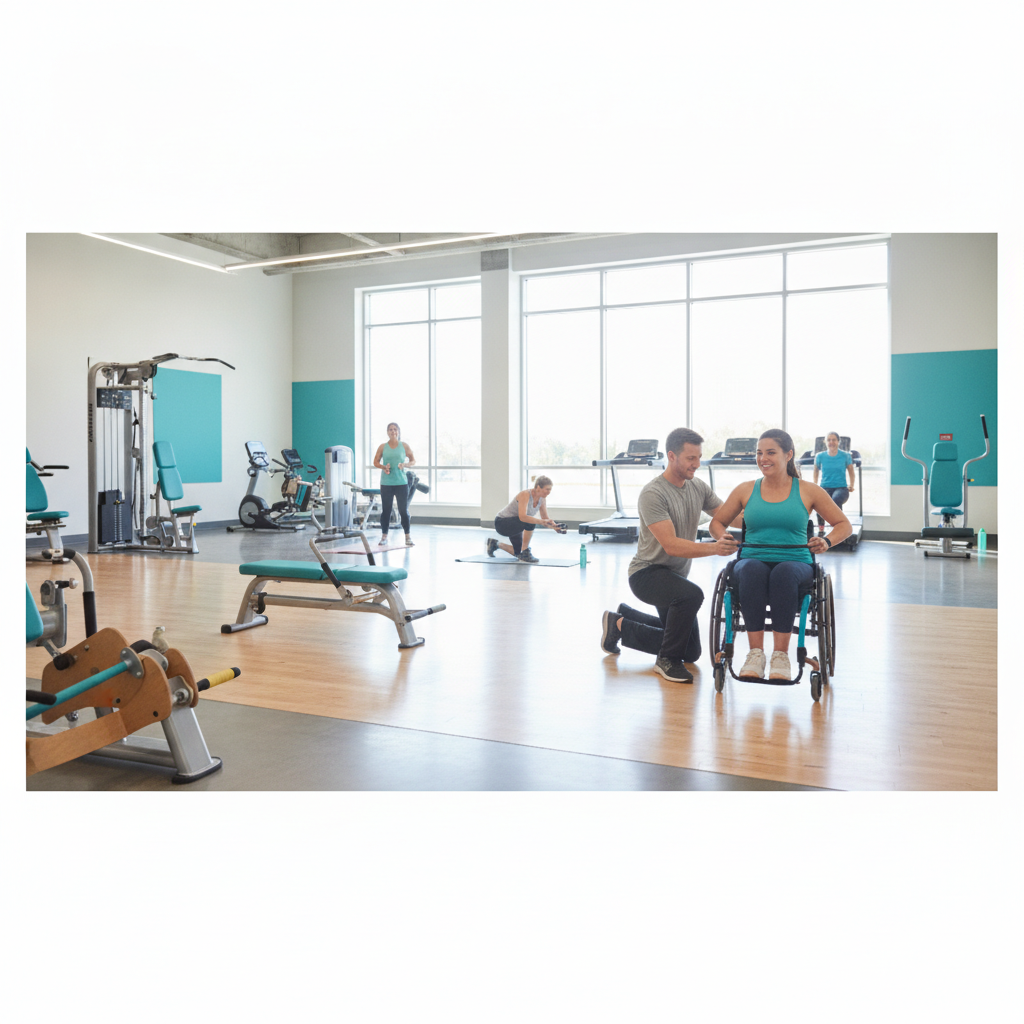
Fitness should never feel like a space that was built for someone else. For many people living with mobility limitations, chronic conditions, sensory differences, injuries, or simply a different relationship with their bodies, walking into a typical training facility can feel uncertain. The equipment may not fit, the coaching may not adapt, and the culture may not say welcome. That is why finding the right Peoria AZ gym is about much more than proximity or price. It is about finding a place where your path forward is respected and supported.
We believe sustainable health belongs to everyone, regardless of ability. Adaptive fitness is not a lesser version of training. It is intentional, science-backed programming that meets you where you are and builds measurable strength, confidence, and longevity from there. Inclusive training support means coaches who understand modifications, spaces that are safe to move through, and a community that celebrates progress in every form.
In this guide, we walk through what adaptive and inclusive training actually looks like, the questions worth asking before you join, the equipment and coaching qualities that matter, and how to evaluate whether a facility will support your transformation for years rather than weeks. Whether you are new to exercise, returning after an injury, or supporting a loved one, we hope this resource helps you move forward with clarity and purpose.
What Adaptive Fitness Really Means
Adaptive fitness is the practice of designing exercise so that every person can participate safely and productively, no matter their starting point. It covers a wide range of needs, including physical disabilities, vision or hearing differences, neurological conditions, joint problems, age-related changes, and recovery from surgery or injury. The goal is not to water down the work. The goal is to match the training stimulus to the individual so progress stays steady and safe.
In practice, this looks like seated or supported variations of familiar movements, alternate grips and attachments, adjustable resistance, and clear verbal cues in place of purely visual demonstrations. When you are searching for the best Peoria AZ gym for adaptive fitness, look for a philosophy of purpose and direction rather than a single piece of specialty equipment. A facility with a genuine commitment to inclusion treats adaptation as a core skill of its coaching team, not an afterthought.
Questions to Ask Before You Join
A short conversation with a gym can reveal more than any brochure. Before committing, ask how coaches handle members with limited mobility, whether they have experience with your specific situation, and how they adjust a session mid-workout when something does not feel right. The answers should be confident, specific, and free of vague reassurances.
It also helps to ask about class structure. Group formats can be wonderful for community, but only if the instructor can scale movements for different abilities within the same session. Browsing the Gym Classes in Peoria, AZ schedule gives you a sense of how formats are organized, how long sessions run, and whether there are lower-intensity options. Do not hesitate to request a trial visit. A welcoming facility will encourage you to experience the space before you commit, and your comfort during that visit tells you a great deal.
Coaching Qualities That Make the Difference
Equipment can be purchased. Coaching expertise has to be built through education, experience, and genuine care. The most important quality to look for is adaptability. A great coach listens first, asks about your history and goals, and then designs a plan with measurable checkpoints rather than guesses.
Pay attention to communication style as well. Inclusive coaches describe movements clearly, offer choices instead of commands, and check in without making you feel singled out. They understand that confidence is part of the training. Credentials such as certifications in corrective exercise, special populations training, or rehabilitation support can signal depth, but the real test is how you feel in the first few sessions. If you leave feeling capable and respected, the coaching culture is likely a strong match. If you leave feeling rushed or unseen, keep looking.
Equipment and Space Design for Every Body
Physical layout matters enormously. Wide aisles, clear floor space, and equipment that can be reached without squeezing past other members make a facility far more usable for wheelchairs, walkers, and anyone who needs extra room. Look for machines with adjustable seats, easy-to-read displays, and handles that accommodate different grip strengths.
Atmosphere plays a role too. Energetic group sessions can be motivating, yet they can also be loud and fast. People who are sensitive to noise or crowds may prefer quieter windows during the day. Before you sign up, it is worth learning How to Evaluate Glendale AZ Gym Crowds, Cleanliness, and Peak-Hour Conditions Before Joining, since the same principles apply when you visit any facility in the region. Observing a space at different hours helps you choose a time that supports your comfort and focus.
The Role of Group Energy in Inclusive Training
Group fitness can be one of the most powerful tools for adaptive training because it replaces isolation with belonging. Moving alongside others, hearing encouragement, and sharing small victories builds the kind of social bond that keeps people consistent for years. Yet high-energy formats need thoughtful instruction to remain inclusive.
If you are curious about rhythm-based or choreographed sessions, read What to Expect From High-Energy Glendale AZ Group Fitness Formats Like Zumba and Step to understand how these classes flow and where modifications fit in. The best instructors cue lower-impact and seated alternatives out loud, so no one has to ask. They normalize options, which removes the pressure to keep up and lets each person focus on moving well. That culture of choice is a clear sign of a truly inclusive program.
Strength Training as a Foundation for Independence
Strength is not just about appearance or athletic performance. For many adaptive athletes, it is the foundation of daily independence. Stronger muscles support joints, improve balance, and make everyday tasks like transferring, lifting, and walking easier and safer. This is why resistance training sits at the heart of most thoughtful adaptive programs.
A sound approach begins with a baseline assessment, then builds progressively. That might mean seated cable work, resistance bands, supported pressing patterns, or light free weights with controlled tempo. Progress is tracked through measurable markers such as repetitions completed, load lifted, or range of motion gained. Because improvements can be gradual, celebrating small wins matters. Every added repetition is evidence that your body is adapting, and that evidence fuels the motivation needed for long-term commitment.
Recovery, Pacing, and Listening to Your Body
Recovery deserves just as much attention as training, especially for people managing pain, fatigue, or conditions that fluctuate day to day. A good adaptive program builds in rest, mobility work, and flexibility so the body can absorb the effort and respond. Pushing harder is not always the smart path. Sometimes the intentional choice is to scale back, stretch, and return stronger tomorrow.
Learn the difference between productive effort and warning signals. Muscle fatigue and mild soreness are normal responses, while sharp pain, dizziness, or unusual numbness are signs to stop and consult a professional. Coaches who value longevity will encourage this awareness and never reward you for ignoring your limits. Sleep, hydration, and gentle movement on off days all contribute to steady gains. Treat recovery as part of the plan rather than an interruption of it.
Comparing Inclusive Features at a Glance
When you tour facilities, it helps to compare them using the same criteria. The table below outlines common inclusive features and what to look for in each. Use it as a simple checklist during visits so you can weigh options fairly and avoid relying on first impressions alone.
| Feature | What to Look For | Why It Matters |
|---|---|---|
| Coaching Approach | Individual assessments and modifications | Keeps training safe and effective |
| Floor Layout | Wide aisles and open space | Supports mobility devices |
| Equipment | Adjustable seats, bands, and cables | Fits different body types and abilities |
| Class Format | Scaled options cued out loud | Builds belonging without pressure |
| Atmosphere | Quiet hours and welcoming staff | Reduces sensory overload |
Building Community Around Shared Goals
One of the least discussed benefits of inclusive training is the community it creates. When members of varied backgrounds and abilities train in the same space, everyone learns something. Adaptive athletes often find peers who understand their challenges, while others gain perspective and empathy that deepens the entire culture.
Community also supports accountability. It is easier to show up on a hard day when someone is expecting to see you, and a friendly greeting can turn a reluctant visit into a meaningful session. Look for gyms that host member events, celebrate milestones publicly, and encourage conversation across experience levels. These small cultural signals reveal whether inclusion is practiced or merely advertised. A supportive community will not only help you start, it will help you stay, and staying is where lasting transformation happens.
Setting Measurable Goals That Respect Your Reality
Goals give training direction, but they work best when they are personal and realistic. Instead of chasing an abstract ideal, define what progress means for you. It might be transferring more easily, walking a longer distance, lifting a specific weight, reducing pain during daily tasks, or simply attending consistently for three months.
Break larger aspirations into smaller checkpoints you can measure every few weeks. Record how you feel, what you accomplished, and what changed. This habit transforms vague hopes into visible evidence of growth. Share these goals with your coach so programming stays aligned with what matters most to you. As your abilities expand, revisit and revise the targets. Intentional progress is rarely a straight line, but a clear map makes every step easier to appreciate and every setback easier to navigate.
Practical Steps for Your First Month
Starting something new is easier with a simple plan. In your first week, focus on familiarity. Tour the space, meet the coaches, and try a few movements without worrying about intensity. Let your body and mind adjust to the environment.
During weeks two and three, establish a steady rhythm of two to three sessions, leaving room for recovery between them. Keep notes on what feels good and what needs modification. By week four, review your early observations with your coach and set your first measurable goal. Bring a water bottle, wear comfortable clothing, and give yourself permission to go slowly. Remember that consistency matters more than intensity in the beginning. A gentle, repeatable routine builds the habits that carry you through the months and years ahead.
Moving Forward Together
Choosing a gym is a deeply personal decision, and for people who need adaptive or inclusive support, it carries extra weight. The right environment does more than provide equipment. It offers knowledgeable coaches, thoughtful design, a welcoming community, and a clear path toward measurable progress. When those elements come together, training stops feeling like an obstacle and becomes a source of strength, confidence, and joy.
As you explore your options in the area, trust what you observe and how you feel. Ask direct questions, request trial sessions, and visit at different times of day. Look for programs built on science-backed methods and a genuine commitment to sustainable health. Be patient with yourself, celebrate every milestone, and remember that longevity is built one intentional session at a time.
We are committed to supporting every person who chooses to begin. Your starting point is valid, your goals are worthy, and your transformation is possible. Take the next step, reach out, and let us walk this path alongside you. The strength you build today will carry you further than you imagine.