

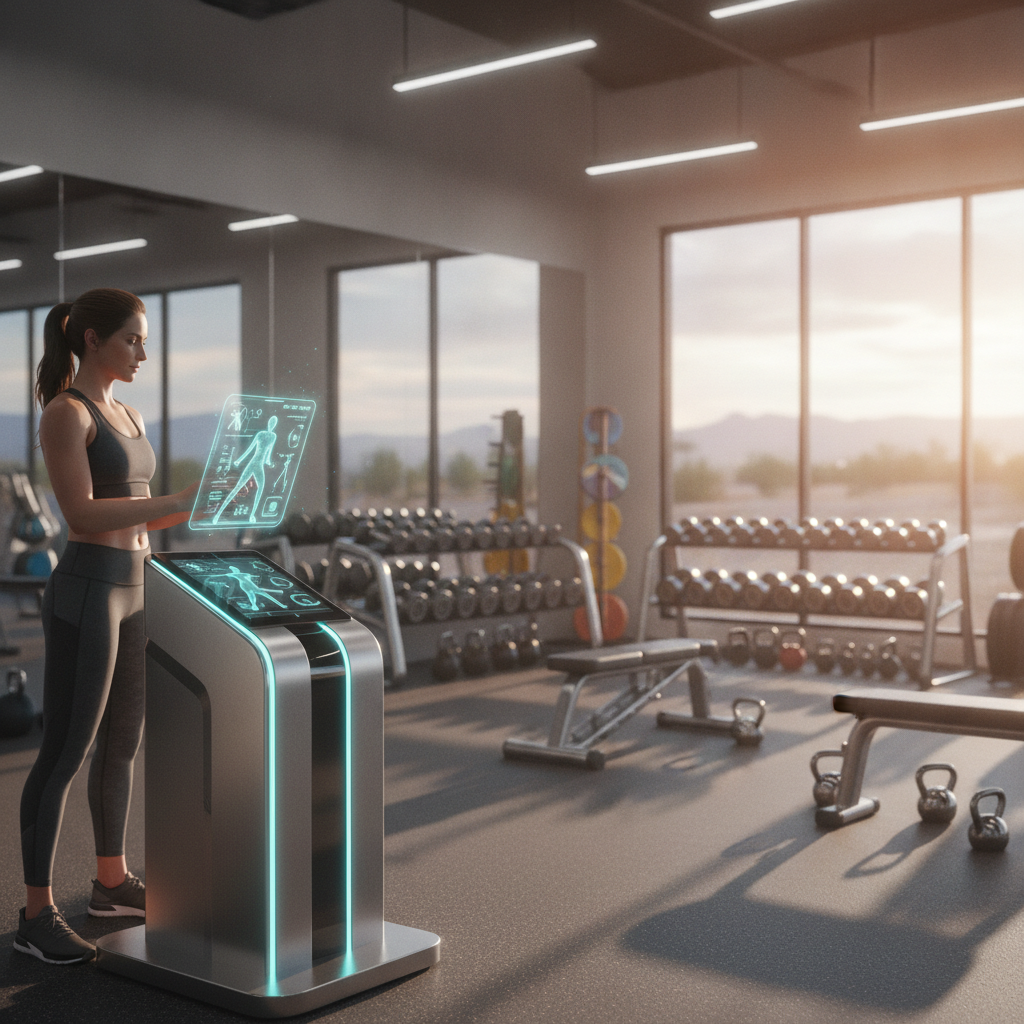
The number on a bathroom scale tells you almost nothing about what your body is actually doing. Two people can weigh exactly the same and look, feel, and perform completely differently, because weight cannot separate muscle from fat, or water from bone. That is why a growing number of facilities, including every serious Glendale AZ gym we know of, now rely on body composition scans to guide training decisions instead of guesswork. A scan breaks the body into measurable components, and those components become the starting point for a plan built around you rather than around a generic template.
We believe in intentional, measurable progress, and a scan is one of the clearest ways to make progress visible. In this guide we explain how the technology works, what the readings mean, how coaches translate data into programming, and how to prepare so your results are reliable. Whether you are rebuilding strength after a long break, chasing a performance goal, or simply thinking about longevity, understanding your composition gives your effort a direction. Read on to see how data-informed coaching supports sustainable health, and how you can use it to build a path that lasts.
What a Body Composition Scan Actually Measures
A body composition scan estimates how your total mass divides among fat mass, lean mass, body water, and in some cases bone mineral content. Rather than offering a single weight, it gives a map. Most gym-grade devices send a very low, harmless electrical signal through the body or use light and imaging to estimate tissue types. Because fat, muscle, and water conduct signals differently, the machine can calculate proportions in seconds.
The most useful outputs include body fat percentage, skeletal muscle mass, visceral fat rating, and total body water. Many scans also report segmental data, showing how much lean mass sits in each arm, each leg, and the trunk. That detail matters because it reveals imbalances you cannot see in a mirror. At Rovia 120, we view these numbers as a conversation starter, not a verdict. They describe where you are today so that every decision afterward has a clear reason behind it.
Why Scale Weight Falls Short for Personalized Training
Scale weight is a blunt instrument. If you begin a strength program, you may add muscle while losing fat, and the scale can barely move even though your body is transforming. People often read that flat number as stalled progress and quit a program that was working perfectly. A composition scan prevents that mistake by showing the trade happening underneath.
The reverse can happen too. Someone can lose weight quickly and celebrate, when a scan shows a meaningful share of that loss came from lean tissue. Losing muscle slows metabolism, reduces strength, and works against long-term health. Coaches who see the breakdown can adjust protein targets, training volume, and recovery before the loss compounds. This is the difference between chasing a number and building a body that performs well for decades. Personalization starts with seeing the full picture, and composition data supplies exactly that.
Turning Scan Results Into a Starting Strategy
Once your baseline is captured, a coach sorts the findings into priorities. Low skeletal muscle mass relative to height usually points toward a hypertrophy emphasis, with progressive resistance work, adequate protein, and patient recovery. Elevated body fat paired with solid muscle suggests a different balance: steady conditioning, strength maintenance, and nutrition habits that create a modest, sustainable deficit.
Gyms across Gym Classes in Peoria, AZ and neighboring cities increasingly structure their onboarding around this kind of first-day snapshot. The strategy that follows is rarely complicated. It typically names one primary goal, one or two supporting goals, and a realistic timeline for the first review. Keeping the plan narrow is deliberate. When a member knows exactly what the next eight weeks are meant to achieve, effort becomes focused instead of scattered, and consistency becomes much easier to maintain.
Reading Muscle Balance and Asymmetry
Segmental analysis is where scans become genuinely personal. If your right leg carries noticeably more lean mass than your left, or your upper body is far more developed than your lower body, that pattern shapes your program. Asymmetries are common, especially among people who favor one side at work or in past sports, and they are not a flaw. They are information.
A coach might respond with unilateral exercises such as split squats, single-arm presses, and step-ups, starting with the weaker side and matching the volume on the stronger one. Over several months, a follow-up scan shows whether the gap is narrowing. This approach also supports joint health and injury resilience, because balanced strength reduces the compensation patterns that often lead to strain. Women exploring Glendale AZ Gym Classes for Women Seeking Focused Strength and Supportive Coaching frequently find that segmental data gives them confidence to load heavier once they see their lower-body lean mass is stronger than they assumed.
Using Visceral Fat and Body Water Readings Wisely
Two lesser-known metrics deserve attention. Visceral fat, the fat stored around internal organs, is more closely tied to metabolic health than the fat you can pinch. A scan that flags a high rating gives a coach a strong reason to emphasize regular movement, quality sleep, stress management, and consistent resistance training, all of which support healthier fat distribution over time.
Body water readings serve a different purpose. Hydration status affects how accurate a scan is, and trends in total body water can hint at recovery quality. A sudden drop may simply mean you trained hard in the Arizona heat without drinking enough, which is easy to correct. Coaches use these readings to coach habits rather than to diagnose anything. Scan devices are not medical equipment, and anyone with a health concern should speak with a physician. Within that boundary, visceral and water data make daily habits feel connected to measurable outcomes.
Matching Nutrition Targets to Your Composition
Training is only half of the equation, and scans help coaches guide nutrition without turning it into rigid rules. Protein intake is a good example. A common starting range for active adults is built around lean mass rather than total weight, since lean tissue is what you are trying to protect or build. When a scan shows your lean mass, the target becomes more precise and less arbitrary.
Calorie guidance follows a similar logic. Someone with higher lean mass generally burns more energy at rest, so a one-size-fits-all intake recommendation would miss the mark. Coaches use scan data to suggest small, realistic adjustments and then watch how the next reading responds. We encourage members to treat food as fuel for strength and recovery, not as something to fear. The goal is a pattern you can maintain for years, which is why we avoid extreme approaches and favor gradual changes you can actually live with.
How Coaches Program Strength, Cardio, and Recovery
With composition data in hand, programming becomes a series of deliberate choices. A member with low muscle mass may spend most weeks on compound lifts such as squats, hinges, presses, and rows, with cardio kept moderate so it does not compete with recovery. A member with solid muscle and higher body fat may blend strength sessions with interval work and longer steady efforts.
Recovery is planned just as carefully. Scans can reveal when someone is training hard but not rebuilding, which shows up as stagnant lean mass despite consistent effort. In that case, a coach may add rest days, adjust sleep guidance, or lower volume temporarily. Mixed formats such as strength circuits and Hyrox-style conditioning can be scaled up or down depending on what the data suggests. The point is that every week of training has a purpose tied to a measurable target, which keeps effort intentional rather than exhausting.
Setting Realistic Goals and Review Timelines
Body composition changes slowly, and honest timelines protect motivation. Most coaches recommend rescanning every six to twelve weeks, long enough for real change to appear and short enough to correct course. Scanning weekly usually backfires, because normal fluctuations in hydration and food intake create noise that looks like progress or setback when it is neither.
Good goals tied to scans are specific and process-based. Instead of declaring a target body fat number by a fixed date, a member might aim to add a measured amount of lean mass, hold strength steady while reducing fat, or improve balance between sides. Each review then becomes a checkpoint for adjusting the plan rather than a pass-or-fail test. This mindset is central to how we think about longevity. Progress is rarely a straight line, and a measured, patient approach keeps people training long enough to see the results they want.
Comparing Common Scan Methods
Not every device works the same way, and knowing the differences helps you interpret your numbers fairly. The table below summarizes the methods you are most likely to encounter, along with their general strengths. Accuracy varies by brand and by how carefully the test is performed, so consistency matters more than any single reading.
| Method | How It Works | Best Used For |
|---|---|---|
| Bioelectrical impedance | Sends a low electrical signal through the body | Quick, repeatable tracking of trends |
| Multi-frequency segmental scan | Uses several signal frequencies across limbs and trunk | Muscle balance and asymmetry detail |
| DEXA imaging | Low-dose X-ray differentiates bone, fat, and lean tissue | Detailed baselines and bone density insight |
| Skinfold calipers | Measures fat thickness at set body sites | Low-cost estimates when done by a trained tester |
Preparing for Your Scan So Results Stay Reliable
Reliable data depends on consistent conditions. Because most scans are sensitive to hydration, try to test at the same time of day each visit, ideally in the morning after using the restroom. Avoid intense exercise, alcohol, and heavy meals for several hours beforehand, since each can shift water balance and skew readings.
Dress lightly, remove metal accessories if asked, and follow the technician’s positioning instructions closely. Small variations in stance or hand placement can change segmental numbers. Keep a simple record of when you ate, how you slept, and how you trained in the days beforehand, so you can interpret surprising results with context. If you are pregnant or use an implanted medical device, check with a healthcare professional before using electrical scanning, as some methods are not recommended. Treating the scan like a repeatable test rather than a one-time event is the secret to trustworthy trends.
Choosing a Facility That Uses Data Well
Owning a scanner is not the same as using it well. When you evaluate a facility, ask who interprets the results, how often reassessments happen, and how findings connect to your actual programming. A good coach explains numbers in plain language and ties each one to a specific action, instead of handing you a printout and moving on.
Look also for a community that supports the process. Data is useful, but accountability, encouragement, and shared effort are what keep people returning on difficult weeks. Members who train alongside others with similar goals tend to stay consistent longer. Visit in person, ask to see a sample report, and notice whether staff treat scans as a tool for empowerment rather than judgment. The right environment makes measurement feel supportive, and that emotional tone often determines whether data helps you or discourages you.
Your Next Steps
Body composition scanning turns fitness from a guessing game into a guided path. By separating fat, muscle, and water, it shows what the scale hides, reveals imbalances worth correcting, and gives coaches a clear basis for strength, cardio, nutrition, and recovery decisions. The most valuable part is not any single number. It is the habit of measuring honestly, adjusting thoughtfully, and celebrating changes that a scale would never capture.
If you are ready to begin, start simply. Choose a facility that explains its data clearly, schedule a baseline scan under consistent conditions, and set one primary goal for the next eight to twelve weeks. Rescan on a steady schedule, compare trends rather than chasing day-to-day swings, and let each review shape the next phase of your plan. Pair the numbers with strong sleep, balanced nutrition, and a supportive community, and you give yourself the best chance at lasting transformation. We believe sustainable health is built through intentional steps, and a scan is simply one of the clearest ways to see that you are moving in the right direction.





0 Comments